
War Ecology
by R.S.
The Palestinian Olive Council estimates that approximately one million olive trees have been destroyed in Gaza.[1] The World Bank estimates that the war on Lebanon generated approximately 22 million tonnes of waste.[2] These devastating environmental effects of war go hand in hand with the human toll. Although some of it is ‘incidental’, much of the damage is deliberate. People’s quality of life is closely tied to the health of the land they live on. In Palestine, the genocide is accompanied by ecocide—the scale and long-lasting effects of the ecological damage caused by the Israeli state will continue to make Palestinian lives difficult for decades.
Environmental impact
A recent study of the first 15 months of Israel’s attacks on Gaza estimated greenhouse gas emissions more than the annual emissions of Costa Rica and Estonia combined, attributed largely to the aerial and ground bombardment of Gaza and weapons transport from the US and Europe.[3] The largest portion of emissions has yet to materialise and will come from rebuilding the destroyed areas. This destruction itself is currently estimated at over 60 million tonnes of debris, eight million of which are potentially hazardous waste from industrial sites, destroyed solar panels, and asbestos in old buildings.[4]
The infrastructure damage, including to sewage and water pipes and treatment plants, has also led to the contamination of Gaza’s natural water reserves, with likely contamination of marine and coastal areas as well.[5] The damage to plant life and soil also affects the land’s ability to absorb water and raises the risk of floods.
Soil, in turn, is at the heart of environmental health. Aside from structural damage and compaction, the contaminants left behind by bombs and other military equipment affect future plant life in that region. In south Lebanon, Israel’s attacks included widespread use of white phosphorus—a toxic and flammable substance that can remain active for weeks.[6] In addition to its direct human harms, such as skin burns, confusion, or stomach aches, it also poisons the soil, limiting its ability to support plant or animal life and making it difficult to cultivate.
Agricultural impact
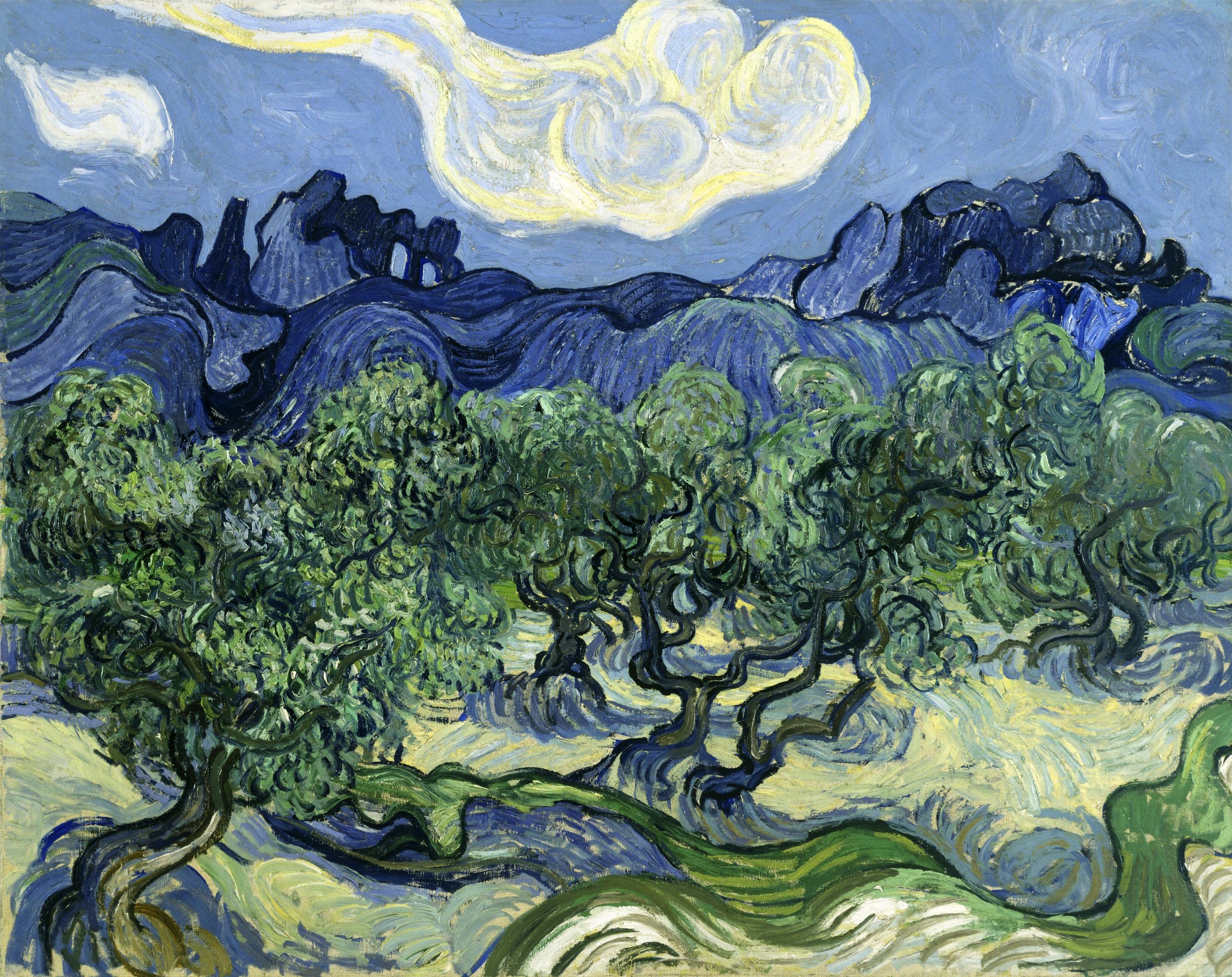
The ecological damage of war includes the destruction and contamination of soil, water, and air. The result is that the post-war environment loses much of its biodiversity and ability to sustain even human life. This is crucial in regions like Gaza and south Lebanon, where agriculture is the lifeblood of many families.
In Gaza, farms and orchards covered around 47% of its total land area before October 7th.[7] A recent geospatial assessment found that less than 5% of Gaza’s cropland remains available for cultivation, with over 80% of cropland now damaged or inaccessible.[8] Olive trees, on which more than ten thousand families depend, have been decimated: the Israeli military directly bulldozed many groves, some became inaccessible and died due to lack of water and fertiliser, and some had to be cut down for firewood out of necessity.[1] Over 80% of agricultural wells have also been damaged.[8]
Ecocide
In Palestine, the scale of the damage, both in the size of the affected area and in the long-term impact, has been described as ‘ecocide’.[7] The term is used to denote deliberate and widespread environmental destruction, to contrast it with ‘collateral’ damage and underscore the harm done to these ecosystems and their ability to support human life.
Alongside the genocide, in which over 67,000 Palestinians have been killed, the environmental destruction will make life difficult in Gaza for generations to come and likely lead to the death of many more. The restrictions on humanitarian aid access alongside the destruction of water resources, wildlife, and cropland have led to Gaza’s entire population becoming food insecure, with high rates of malnutrition and more than half a million people in famine.[9] The lack of resources has also forced people to resort to practices like burning plastic for warmth. This, alongside the collapse of sewage and waste disposal infrastructure and the rise in landfills, has all led to severe health and environmental harms.
Ecosocialism
War, capitalism, and the climate crisis are not independent of each other and should not be fought against as such. Israel’s attacks on Palestine contribute to climate change and simultaneously make Palestinians more vulnerable to the impacts of climate change. Alongside the imposed restrictions and destruction of food and water resources, Palestinians are also experiencing rising heat and drought levels.[10]
The war on Gaza is estimated to have cost the equivalent of nearly 2 million tonnes of carbon dioxide emissions, and the rebuilding of Gaza’s infrastructure is expected to cost another 29 million.[3] In Ukraine, the third year estimate is at 230 million tonnes, the equivalent of the annual emissions of Austria, Hungary, Czech Republic and Slovakia combined.[11] At a time when Earth’s ecosystems are already at risk, most governments have not taken action on emissions, and temperatures continue to rise[12], the environmental destruction and carbon footprint of war further endanger planetary health.
““Many years ago, Israel banned Palestinians from foraging for zaatar (wild thyme) and akkoub (thistle-like plant), two native staples of the Palestinian diet, aiming to undermine a cultural connection to the land and restrict another food and income source.””
Climate change and war, in turn, disproportionately impact working class people.[13] In the most straightforward sense, as food, shelter, and healthcare become scarce, their costs rise and health issues spread. Workers are also forced into precarious, unsustainable, or dangerous work, or into high-risk migration. In Sudan, violent conflict and desertification form parts of a vicious cycle that has displaced a third of Sudanese farmers, further exacerbating resource shortages and desertification.[14]
The impact of war and genocide on human life is immediately visible but slower and quieter ecological violence also threatens people’s survival. Many years ago, Israel banned Palestinians from foraging for zaatar (wild thyme) and akkoub (thistle-like plant), two native staples of the Palestinian diet, aiming to undermine a cultural connection to the land and restrict another food and income source. In the Arctic, the loss of ice and changing weather patterns threaten food security and Inuit practices such as preserving fish in the ground.[15] Human life and wellbeing are inseparable from our surrounding environment. The impact of environmental destruction on human life and the deliberate destruction and alienation of the environment as a tactic of imperialist and capitalist wars highlight the necessity of linking the workers’, anti-war, and climate change movements in the fight for ecosocialism.
Notes
“We estimate that nearly one million of Gaza’s 1.1 million olive trees have been destroyed.” 20 October 2025. Drop Site News. www.dropsitenews.com/p/gaza-olive-groves-oil-farmers-israel-war.
After Israel's relentless strikes, what is Lebanon's long-term plan for clearing war rubble and rebuilding infrastructure? 30 June 2025. www.newarab.com/features/explainer-how-lebanon-handling-rubble-left-israels-war
Carbon footprint of Israel’s war on Gaza exceeds that of many entire countries. The Guardian. 30 May 2025. www.theguardian.com/world/2025/may/30/carbon-footprint-of-israels-war-on-gaza-exceeds-that-of-many-entire-countries
The grim task of recovering thousands of bodies from the rubble of Gaza. The Guardian. 2 November 2025. www.theguardian.com/world/2025/nov/02/the-grim-task-of-recovering-thousands-of-bodies-from-the-rubble-of-gaza
Environmental damage in Gaza Strip harming human health, threatening long-term food and water security. UN Environment Programme report. 23 September 2025. www.unep.org/news-and-stories/press-release/environmental-damage-gaza-strip-harming-human-health-threatening
Israel's toxic legacy: White phosphorus bombs on south Lebanon. AlJazeer. 25 March 2024. /www.aljazeera.com/features/longform/2024/3/25/israels-toxic-legacy-bombing-southern-lebanon-with-white-phosphorus
‘Ecocide in Gaza’: does scale of environmental destruction amount to a war crime? The Guardian. 29 March 2024. www.theguardian.com/environment/2024/mar/29/gaza-israel-palestinian-war-ecocide-environmental-destruction-pollution-rome-statute-war-crimes-aoe
Gaza’s agricultural infrastructure continues to deteriorate at alarming rate. Food and Agriculture Organisation of the UN. 26 May 2025. www.fao.org/newsroom/detail/gaza-s-agricultural-infrastructure-continues-to-deteriorate-at-alarming-rate/en
Famine confirmed for first time in Gaza. WHO. 22 August 2025. www.who.int/news/item/22-08-2025-famine-confirmed-for-first-time-in-gaza
Ecocide and resistance in Palestine. The Ecologist. 2 September 2025. theecologist.org/2025/sep/02/ecocide-and-resistance-palestine
Three years of war in Ukraine: ‘Environmental damage knows no borders’ as emissions rise to new high. Euronews. 24 February 2025. www.euronews.com/green/2025/02/24/three-years-of-war-in-ukraine-environmental-damage-knows-no-borders-as-emissions-rise-to-n
Emissions ‘gap’ must concentrate global effort at Cop30 to bring Earth to safer place. The Irish Times. 4 November 2025. www.irishtimes.com/world/2025/11/04/emissions-gap-must-concentrate-global-effort-at-cop30-to-bring-earth-to-safer-place/
Nothing Left to Take: The Impact of War on Earth. Reform & Revolution. 31 July 2024. https://reformandrevolution.org/2024/07/31/nothing-left-to-take-the-impact-of-war-on-earth/
Sudan’s Fight Against Desertification and Drought Amidst the War. Arab Reform Initiative. 24 July 2024. www.arab-reform.net/publication/sudans-fight-against-desertification-and-drought-amidst-the-war/
The Inuit knowledge vanishing with the ice. BBC. 12 October 2021. www.bbc.com/future/article/20211011-the-inuit-knowledge-vanishing-with-the-ice